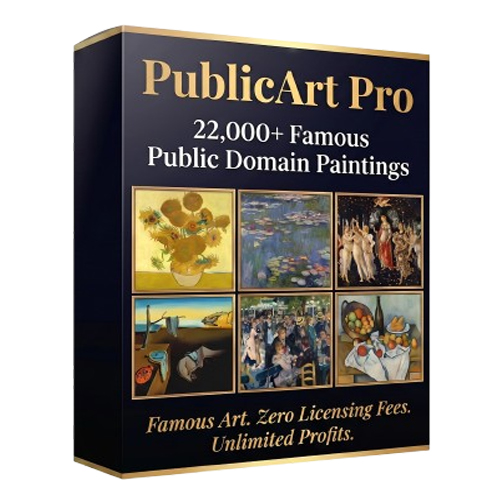
Art sells. From cozy living rooms to busy Etsy shops, classic paintings never go out of style. But finding real, legal, high-quality copies of famous artwork can be a real headache. That is where PublicArt Pro steps in. This product promises thousands of famous paintings, ready to use, for a tiny one-time price. In this review, we will break down every part of this offer in plain, simple language. By the end, you will know exactly what you are getting, what to watch out for, and whether it fits your goals.
Let’s dive in.
Introduction
If you have ever searched for “free public domain paintings,” you already know the pain. Some sites give you tiny, low-quality files. Others bury great art behind confusing copyright rules. Many creators waste hours just trying to confirm if an image is safe to sell. PublicArt Pro claims to fix all of that in one shot. It bundles thousands of famous artworks into a single download, along with usage rights that let buyers resell, print, and rebrand the images.
This review looks at the product from every angle. We will cover what it is, how it works, what is inside the package, and who actually benefits from buying it. We will also flag a few things you should double-check before you click “buy,” because no online review would be complete, or honest, without a little healthy caution.
“If you already know this is what you need, you can [check current pricing and availability here] before it changes.”
What Is PublicArt Pro?
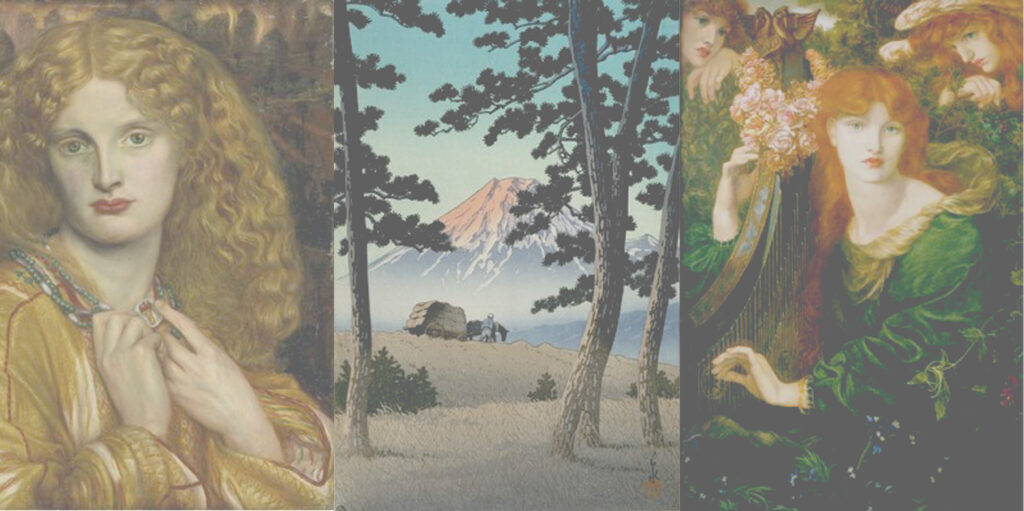
PublicArt Pro is a digital bundle built around one core idea: give everyday sellers, hobbyists, and small business owners access to a giant library of famous paintings without licensing headaches. The package includes work attributed to well-known names such as Van Gogh, Monet, Botticelli, and Dali, spread across dozens of artists and art movements.
Instead of just handing over folders of images, the creators pair the artwork with usage rights. Buyers are told they can use the paintings for print-on-demand products, digital downloads, wall art, and other commercial projects. Some versions of this type of offer also include Private Label Rights, or PLR, which means the buyer may even resell the whole collection under their own brand name.
In short, this is not just an art pack. It is being marketed as a ready-made business asset, ideal for people who want to launch an art-based side hustle without hiring a designer or a lawyer.
Overview
Before going deeper, here is a quick snapshot of the offer:
- Product type: Digital art bundle with usage rights
- Content: Thousands of famous, high-resolution paintings
- License: Commercial use rights, with PLR options in some packages
- Price point: Low, one-time cost during the launch window
- Platform: Sold through a typical digital marketplace funnel
- Target buyer: Etsy sellers, print-on-demand creators, content marketers, and side-hustlers
Offers like this usually follow a familiar pattern: a low-priced front-end product followed by optional upgrades. We’ll cover that structure in the pricing section below.
It also helps to know where this product fits in the digital marketplace. Creators often launch bundles like this through platforms built for marketers, where a vendor lists a front-end product and invites affiliates to promote it for a commission. This model explains the countdown timers and “limited time” pricing you see on the sales page — none of it is unusual, but it explains why the page looks the way it does.
Buyers with a design background may already know stock libraries, so it’s worth asking how this product differs. The main difference is licensing. Stock sites usually charge a subscription or per-image fee and often restrict resale of the raw file. This bundle uses public domain paintings, so the source material carries no copyright — which is why it can offer broader commercial rights at a lower price.
How Does It Work?
Using PublicArt Pro is meant to be simple, and that simplicity is a big part of its pitch. After purchase, the buyer receives access to a download area, usually a private members page or a direct file link. Inside, the images are sorted into folders, often grouped by artist, art movement, or theme.
From there, the workflow generally looks like this:
- Download the full art collection to your computer or cloud storage.
- Browse the folders and pick paintings that match your niche, whether that is home decor, greeting cards, or digital planners.
- Prepare the files for your chosen platform. This might mean resizing an image for a canvas print or adjusting the file type for an online store.
- Upload and list the finished product on platforms like Etsy, Redbubble, or your own website.
- Market the listing using whatever promotional tools you already use, such as social media or email lists.
Since the images are public domain, sellers don’t need to pay royalties or seek permission from an estate or gallery. Still, they should check platform-specific policies, since some marketplaces set their own rules around reproduced artwork.
A real example makes the process clearer. Picture a seller launching framed prints. After downloading the bundle, they’d open the Post-Impressionist folder and pick three or four pieces with strong color contrast, since these tend to suit home decor. Next, they’d match file dimensions to their printer’s specs — a file sized for greeting cards won’t look sharp on a large canvas. Once sizing checks out, they’d upload the image to a print-on-demand supplier, create a listing, and write a short, keyword-rich title and description.
Compare that to someone selling printable wall art as instant PDF downloads. This seller skips the print supplier entirely. Instead, they might batch-export several paintings into a themed collection, zip them together, and list the bundle on Etsy as an affordable digital product. Either way, the bundle has already handled the hardest part — sourcing artwork and confirming usage rights. That’s the core value: it cuts out the slow, research-heavy stage so sellers can jump straight to listing and marketing.
Key Features
Let’s talk about what actually comes packed inside this bundle. Based on how these art-collection products are typically structured, buyers can generally expect the following:
- A large image library. The headline number is often in the thousands, covering many decades and painting styles, from Renaissance portraits to Impressionist landscapes.
- High-resolution files. Quality matters when people want to print large wall art, so files are usually delivered as sharp, print-ready JPGs.
- Organized folders. Rather than one giant dump of files, images tend to be sorted by artist or era, which saves buyers time when hunting for a specific style.
- Commercial usage rights. This is the real selling point. Buyers are told they may use the images for products they intend to sell, not just personal projects.
- Broad platform compatibility. The files are generally suited for print-on-demand services, online marketplaces, and even client work for agencies.
- A guide or terms sheet. Most legitimate offers of this kind include some form of licensing explanation, so buyers understand what they can and cannot do with the content.
Some expanded or upgraded versions of similar bundles also throw in extras like mockup templates, social media captions, or metadata sheets that help with search engine visibility on marketplaces. Whether PublicArt Pro includes every one of these extras in its base package is worth confirming directly on the order page, since features can shift between launches.
Let’s zoom in on a few of these features, since they matter more than they might first appear.
File organization sounds like a small detail, but it often determines whether a bundle actually gets used or just sits untouched on a hard drive. A pack of ten thousand loose images with no folder structure quickly becomes overwhelming. Sorting by artist, movement, or century turns a giant pile of files into something you can actually browse in a few minutes, which matters a great deal when you are trying to launch a themed collection quickly.
Licensing clarity is arguably the single most important feature on this list, even though it is the least visually exciting. A confusing or vague licensing document defeats the entire purpose of the product, since the whole appeal is removing legal uncertainty. A clear, plain-language explanation of what a buyer can and cannot do, ideally with specific examples like “yes to Etsy prints, no to claiming personal copyright,” makes the difference between a genuinely useful business tool and a source of future headaches.
Format variety also plays a bigger role than many buyers expect. A painting sized correctly for a square Instagram post will look stretched or cropped oddly on a vertical greeting card. Having multiple aspect ratios available from the start saves a resizing step for nearly every single listing a seller creates, which adds up to real time savings across a full product catalog.
Pricing & OTOs Breakdown
Digital products like this one are almost always sold through a sales funnel, not a single flat price. That funnel usually includes a front-end offer plus a series of optional upsells, known in the industry as OTOs, short for “One Time Offers.” Here is a general breakdown of how this pricing structure typically works for this category of product:
| Stage | What It Usually Includes | License Type | Payment |
| Front-End Offer | Core art collection with basic usage rights | Standard commercial use | One-time, low price |
| OTO 1 | Expanded image pack, extra sizes or formats | Extended or PLR rights | One-time upgrade |
| OTO 2 | Done-for-you store assets, banners, or templates | PLR or white label | One-time upgrade |
| OTO 3 | Agency or reseller rights for client work | Agency license | One-time upgrade |
| Bundle Deal | All upgrades combined at a discount | Mixed | One-time |
The front-end price is designed to be low enough that almost anyone can say yes on the spot. This is a very common tactic in the digital marketing space, sometimes called a “tripwire” offer. The real profit for the seller often comes from those follow-up OTOs, which is why buyers may see several upgrade screens after checkout.
A quick word of caution here: exact OTO pricing, the number of upgrade tiers, and what each one contains can change from launch to launch. Before you buy, it is smart to read every offer screen carefully rather than clicking through on autopilot. If a price or feature list matters to your decision, confirm it on the live checkout page rather than trusting older reviews, including this one.
“Based on what’s included at this price point, [click here to see the live PublicArt Pro offer] and lock in the current front-end price.”
Who Should Use This?
Not everyone needs a bundle like this, so let’s talk about who actually benefits.
Good fit:
- Etsy or Redbubble sellers looking to expand a wall art or poster catalog quickly
- Print-on-demand business owners who want variety without commissioning new art
- Bloggers and content creators who need eye-catching visuals for posts or newsletters
- Small agencies that design social media graphics or client decor packages
- Hobbyists exploring a side income from digital downloads
Not an ideal fit:
- Buyers who need brand-new, original artwork rather than reproductions of existing paintings
- Anyone hoping to trademark or claim personal ownership of the original images, since public domain art belongs to everyone
- People uncomfortable relying on a bundle’s licensing claims without doing their own research
If your business model depends on selling art, but you lack the time or budget to commission custom pieces, this type of product can genuinely save hours of searching and sourcing.
It also helps to think about your stage of business, not just your niche. A brand-new seller testing the waters benefits most from the low upfront cost, since it lowers the risk of trying a new product category. A more established seller, on the other hand, might care less about the price and more about the depth of the collection, since they need enough variety to keep launching fresh listings month after month without repeating themselves. Agencies fall into a slightly different bucket again: their main concern is usually whether the license explicitly allows client resale, since a personal-use or single-brand license would not cover work delivered to multiple paying clients.
Comparison Table
To help put PublicArt Pro into context, here is how it generally stacks up against other common ways to get public domain or commercial-use artwork.
| Option | Cost | Curation Quality | Usage Rights | Best For |
| PublicArt Pro | Low, one-time | High, pre-sorted collection | Commercial, sometimes PLR | Fast launches, resellers |
| Museum open-access archives (e.g., Wikimedia, Met Open Access) | Free | Variable, requires manual search | Public domain, self-verified | DIY researchers with time to spare |
| Stock photo subscriptions | Recurring monthly fee | Good, but limited art selection | Standard license, no resale | Ongoing content creators |
| Freelance illustrator commission | High, per project | Excellent, fully custom | Depends on contract | Brands wanting original art |
As the table shows, the main trade-off is time versus cost. Free museum archives are technically available to everyone, but sorting through them for the right resolution, format, and confirmed public domain status takes real effort. A bundle like PublicArt Pro trades a small upfront cost for a big time saving.
There is also a middle ground worth mentioning: some sellers choose a hybrid approach, using a bundle like this for the bulk of their catalog while occasionally sourcing individual pieces directly from a museum archive when they need something very specific, such as a lesser-known painting tied to a particular holiday or theme. This hybrid strategy can offer the best of both worlds, combining the speed of a ready-made collection with the flexibility of hand-picked sourcing for special projects.
Price-conscious buyers sometimes ask whether the free route is simply the smarter choice in every case. The honest answer is that it depends on how much your time is worth to your business. Spending three or four hours confirming public domain status and resizing a handful of images might be perfectly reasonable for a hobby seller with only a few listings. For someone trying to launch fifty product variations in a single weekend, though, that same research process becomes a real bottleneck, and a pre-organized bundle starts to look like a much better use of a small budget.
Pros and Cons
No honest review skips the downsides, so here is a balanced look.
Pros:
- Large volume of artwork delivered in one download
- Commercial usage rights included, removing a common legal worry
- Organized files make browsing and selecting images easier
- Low entry price compared to hiring a designer or licensing stock art
- Works across multiple platforms, from print-on-demand to digital downloads
- Useful head start for beginners entering the art or home decor niche
Cons:
- Marketing pages for this type of product often use inflated “value” comparisons, such as claiming the bundle is worth hundreds of dollars based on a per-image price tag. Treat these numbers as promotional language, not an appraisal.
- “Public domain” status is not always the same in every country, and claims of 100% verified status should still be checked against a trusted source before large-scale commercial use.
- Upsells can add up quickly if a buyer says yes to every OTO screen.
- Large file downloads may take up significant storage space.
- Some marketplaces have their own restrictions on reproduced classical art, so sellers still need to check platform-specific rules.
Bonuses (Vendor Bonuses)
Launches like this one often come with vendor bonuses, extra items thrown in to sweeten the deal and encourage a fast purchase decision. These commonly include things like:
- Bonus mockup templates for showing off framed prints or wall art
- Sample marketing copy or product descriptions to speed up store listings
- A short training guide on selling art prints online
- Access to a private community or support group for buyers
Bonus stacks are a very normal part of digital product launches, and they can add genuine value. However, they are also used as persuasion tools, so it helps to judge the core product on its own merit first, and treat any bonuses as a nice extra rather than the main reason to buy.
Is There a Money-Back Guarantee?
Most products sold through digital marketplaces of this type include a refund window, commonly 30 days. This gives buyers a chance to download the files, test them out, and request a refund if the product does not match expectations.
That said, refund policies are set by the individual seller, not by the platform hosting the sale. This means the exact terms, and how smoothly a refund is processed, can vary. Before buying, it is worth reading the specific guarantee terms listed on the sales page rather than assuming every guarantee works the same way.
Why Should You Buy It?
The strongest argument for PublicArt Pro comes down to speed and convenience. Sourcing, verifying, resizing, and organizing thousands of public domain paintings on your own could easily take days or weeks. This bundle compresses that process into a single download, letting you start listing products almost immediately.
For someone already running or planning an online art business, that time savings can translate directly into faster revenue. Instead of spending your first month hunting for usable images, you could spend that same month testing listings, running ads, and learning what actually sells.
Of course, the decision still depends on your specific goals. If you already have a strong image library or a preference for fully original artwork, the value proposition shrinks. But for someone starting from zero, a ready-made, rights-cleared collection removes one of the biggest early obstacles.
Final Verdict
PublicArt Pro fits into a well-known category of digital products: a low-cost bundle that trades a small upfront payment for a large time savings. The core idea, packaging public domain masterpieces with commercial usage rights, is a legitimate and fairly common business model, especially in the print-on-demand and Etsy seller world.
Where buyers should stay alert is the marketing language itself. Big “total value” numbers, countdown timers, and urgency messaging are standard tactics in this type of sales funnel and should not be mistaken for an independent appraisal of worth. Similarly, it is always good practice to double-check public domain claims for any image you plan to sell at scale, using a source like a museum’s official archive, just to be extra safe.
If you go in with realistic expectations, treat the bonuses and OTOs as optional extras, and verify a few key claims yourself, PublicArt Pro can be a solid time-saving tool for anyone building an art-based side income.
“Ready to get started? [Click here to get PublicArt Pro at the current launch price] and start building your art-based product catalog today.”
FAQ
Is the artwork actually legal to sell? Generally, yes, as long as the underlying paintings are truly in the public domain, meaning their copyright has expired. This is usually the case for older master works. Still, it is smart to spot-check a few pieces against a trusted public archive before large-scale selling.
Do I need to credit the original artist? Public domain works do not legally require credit. That said, adding the artist’s name and a short description often helps with search visibility and can build trust with customers browsing your shop.
Can I use these images for both digital downloads and printed products? Yes, in most cases. The files are typically delivered in resolutions suitable for both screen use and physical printing, though it is worth checking image size against your specific print dimensions beforehand.
Will I be pushed into buying upsells? You will likely see OTO offers after your initial purchase. These are optional. The front-end product should function on its own without requiring any upgrade.
Is there a risk of the market becoming saturated with the same images? Since many buyers gain access to the same collection, some overlap in product listings across different sellers is possible. Standing out through your own branding, packaging, and marketing becomes more important than the raw image supply itself.
What happens if I am not satisfied after buying? Check the refund terms listed directly on the sales page at the time of purchase. Most offers in this category include a refund window, but the exact process depends on the seller.
Why This Matters, and What You Gain From It
At the end of the day, a review like this one exists to save you time and protect your wallet. Instead of clicking “buy” based on flashy headlines alone, you now have a clear, plain-language picture of what a product like PublicArt Pro typically offers, how its pricing funnel works, and where to stay cautious.
If you decide to move forward, you walk in prepared. You know to check the refund policy, question inflated value claims, and verify public domain status for peace of mind. If you decide it is not the right fit, you have saved yourself from an impulse purchase that might not match your actual business needs.
Either way, that is the real benefit of reading a full review before you buy: a clearer decision, made with confidence rather than guesswork.
Read more about: KDP Master – Create, Publish, Profit—On Autopilot